
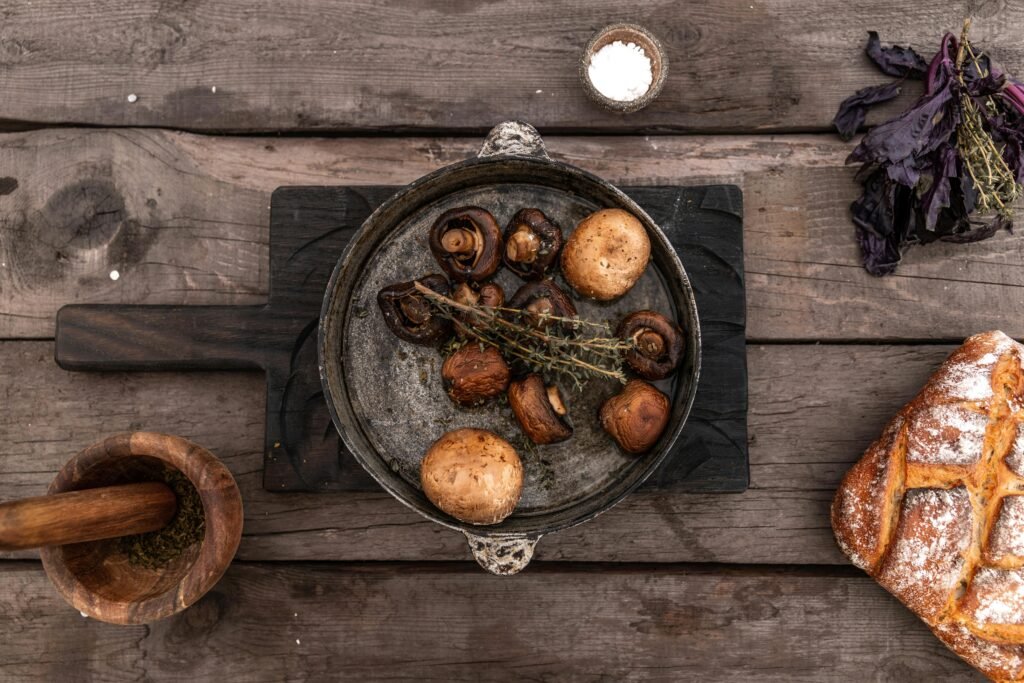
Cooking acidic foods in a cast iron pot is an art which requires some care. Acids react with iron and affect the color of your food and the flavour. This can be prevented with a well-seasoned cast iron pan. While seasoning the pot is not the only requirement to cook on cast iron, there are a few tips to keep your pan in good shape and making your food look and taste good.
1. Use a well-seasoned pan: A well-seasoned pan will create a small, thin layer between your food and the pot, preventing reaction of the acidic food with the iron pan. The thin barrier between the food and the pan will ensure your food color does not change and the flavour remains as desired. Without proper seasoning, food will turn darker, often giving a black color to the food. This is often noticed while cooking tomatoes. The taste too will have a small hint of metal when the cast iron reacts with acid.
2. Keep the cooking time short: Acidic foods tend to react with cast iron even with seasoning. The seasoning will erode slowly over time during cooking, with the heat and the acidic ingredients. Foods like tomato, vinegar, lemon juice, tamarind, and wine are ok to be cooked for a short interval, but the concentration of acidic ingredients and the time cooked will affect the seasoning and eventually result in reaction with the pan. To avoid this, ensure the food is cooked for only short intervals. Stir-fries, quick sauces, and deglazing are fine, but long simmering of tomato curries or sauces (for more than 15 minutes) is not recommended.
3. Avoid new or poorly seasoned cast iron pans: New pans are not seasoned over time. The seasoning is a very thin layer, and the reaction with acidic foods is fast. Avoid new cast iron pans while cooking acidic foods. Use a dark, well-seasoned, aged pan to cook acidic foods if you have to cook acidic foods. In most cases, it’s always better to use a stainless steel pan for long acidic recipes which require cooking acidic foods for more than 15 minutes.
4. Watch out for metallic taste: Acidic food cooked on cast iron, especially when they are not well-seasoned, will strip the iron from the pan and the taste leeches into the food. This is sometimes not clearly evident in appearance but will be evident in the smell and taste of the food. If you notice a slightly blackened color, metallic taste, or smell in your food, transfer the food immediately to another pot, let the cast iron pot cool, and wash it thoroughly before seasoning it again. Do not continue cooking your food in the pot that strips iron into your food. While not harmful to your health, this is usually a bad practice which results in rusting of the pot and also deteriorates the taste of the food.
5. Don’t store acidic foods in the pan: While cooking acidic foods needs care, storing acidic foods is not recommended at all. Acidic foods like tomato, lemon, and vinegar usually react more with time provided. This is not recommended. Avoid storing any acidic food in your cast iron pots. Once the cooking is done, transfer to another steel or serving pot. Avoid using cast iron pots or pans to store food. When possible, transfer your food to another pot. This prevents the food from reacting even after cooking and damaging the seasoning or flavour of your food.
6. Clean gently and re-oil immediately: While cleaning your cast iron pans, be gentle. This does not mean you cannot use wires, but use them sparingly. Ensure there is no food stuck to the pan. Rinse with warm water and use a soft brush when required. Use mild soap and wipe dry thoroughly after washing. Leave it to air dry for a few minutes before you apply a thin layer of oil on the pan. This prevents rust on the pan and will ensure a longer life for your cast iron pans.
7. Add acidic foods last: While cooking, try to add acidic ingredients like tamarind, tomatoes, and vinegar near the end. This ensures shorter cooking time for acidic foods, leaving very little time for them to react and also ensuring the acidic ingredients are diluted with the other ingredients already present in the food. Reduced time in contact with the pan ensures less reaction with the pan.
When cooking acidic food, always be mindful. When possible, avoid cooking acidic food on a cast iron pan. Always keep a check on the food while cooking to ensure there is no darkening of the food and also that the food does not taste metallic.