
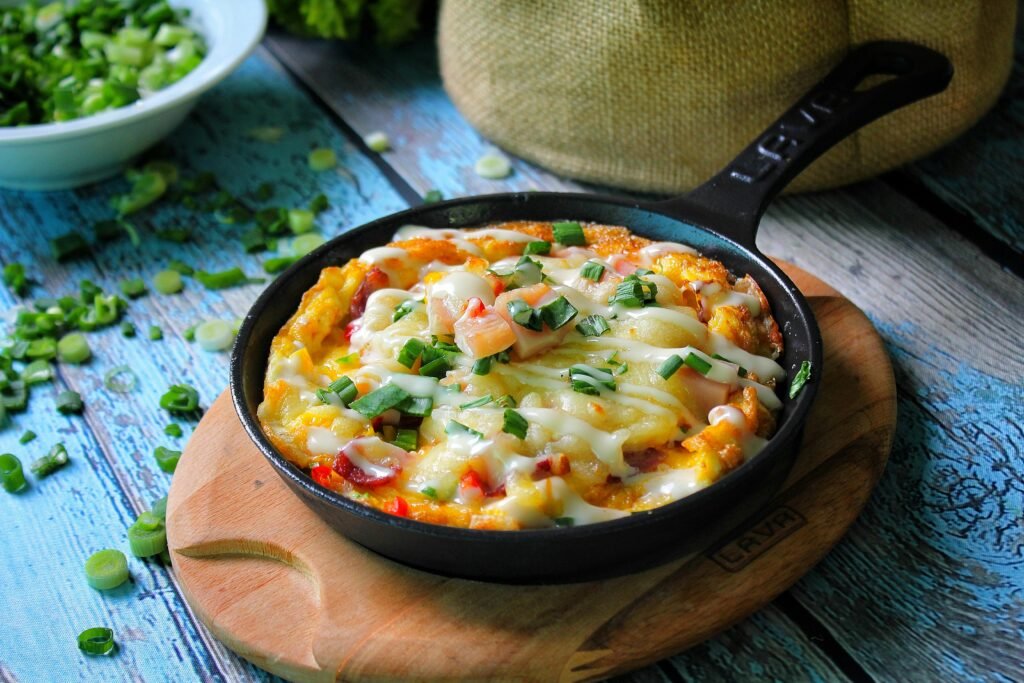
What is cast iron cookware?
Cast iron cookware is made from cast iron, a durable and heavy material known for its heat retention, even heating properties and its versatile use. Cast iron cookware can be used on stovetops, ovens and even campfires. They are known for their durability and lifespan of a hundred years and more with simple care. Apart from the durability and its versatile use, they are also known to make food more flavourful over constant use. They also develop a non-stick surface through seasoning and make cooking more efficient and flavourful over time.
Benefits of cast iron cookware
More and more home cooks are seeking alternatives to Teflon-coated cookware, which is commonly used as a non-stick surface. The health issues of chemicals in cookware and their effect on health have been a concern for home users worldwide. With cast iron, there are benefits apart from the non-toxic nature of the material. Some of the key benefits of cast iron cookware include:
- Even heating: One of the best features of cast iron cookware is its even heating features. Unlike thin cookware where heat is prominent where the flame directly hits, cast iron cookware, especially when thick, heats the surface evenly providing an even cooking surface. This prevents hotspots enhancing cooking results. This result is seen in earthenware cookware too and it’s nearly the same in cast iron cookware too.
- Versatility: Today’s cooking is different from what it was 10 or 50 years ago but cast iron cookware’s ability to adapt to the current needs is impressive. You can use cast iron cookware on a traditional stove, electric stove and even an induction cooktop. You can take it with you camping and cook on a bonfire or start cooking on a barbecue fire. There are no limits to the versatility of cast iron cookware.
- Durability: There is clear evidence of cast iron cookware carried through generations. Some cast iron pots and pans have been passed through over 3–4 generations lasting 150–200 years. In today’s world, where everything is temporary, cast iron cookware that lasts centuries is a product which is impressive.
- Health: While cookware is turning toxic with chemical coatings to make them non-stick, cast iron cookware seems to have its own set of benefits. One of the key benefits of cast iron cookware is that they provide a trace of iron content to your diet. Though not sufficient for your daily requirement, the small dose is often welcome for most people, especially women who need iron-rich food.
- Flavour: The benefits of cast iron are not limited to health and durability but also add flavour to your food. You may wonder how that works? The seasoning build-up and the even heating features of cast iron cookware ensure that your food is enhanced with the natural flavours of the ingredient, adding a smoky earthy flavour to it.
How to use your cast iron cookware the first time
Most cookware is designed to be used immediately. Take it off the packaging, wash and start cooking. Cast iron pans are different. Cast iron pans can be used directly in some cases but in most cases, they need to go through a small process before they can be used for cooking. This is especially important if you are looking to cook on a non-stick surface. The process, often referred to as seasoning, helps cast iron pans resist moisture with a small film called patina from oil, which helps prevent sticking to the surface. Some cast iron pans come pre-seasoned. If not pre-seasoned, you should first season your pans. The process involves applying oil to the surface completely and heating the pan till the oil is absorbed into the cookware surface. The process of seasoning is described in detail in a separate blog post.
How to care for your cast iron cookware
Cast iron cookware is durable and can last generations but that does not mean it does not have its own set of maintenance requirements. Cast iron pans are different from steel and other materials like aluminium. The process of cleaning, storing and seasoning is different from other materials.
- Cleaning cast iron cookware: Cast iron cookware is not dishwasher safe. Not that they will break into pieces if you wash them in a dishwasher, but the coating which was developed during the seasoning process will be stripped off due to the water pressure, heat and the chemical dishwasher soap. This will be followed by the formation of rust which is not sightly. Cast iron cookware is best hand washed. Use a light detergent soap. Avoid sinking the pan in water for a longer period of time. Using warm water is recommended to remove grease easily while retaining the patina on the cookware. Using mild soap is recommended. Regular soap will remove the seasoning and is not recommended. Use coarse salt to remove residues of food stuck on the surface and always dry thoroughly after wash. If possible coat the pan with a layer of oil immediately after drying. The process may seem time-consuming but it is not. All you have to do is wash the cookware, dry it and oil it. It’s as simple as that!
- Seasoning cast iron cookware: Seasoning is the process of creating a coating on your cast iron cookware to make it non-stick. The protective layer is called patina. This is achieved by applying a thin layer of vegetable oil to the entire surface and baking it in an oven, or even on an open stovetop at 190–260 degrees Celsius for about an hour. While the process may seem complicated, it’s not a thing which has to be done every day. It’s only done rarely to create the patina. Once the patina is in place, it only requires regular maintenance. The process is usually done by most manufacturers during the manufacturing process and is a pre-requirement for most cast iron cookware to prevent rust. This ensures the product is stored in the warehouse in good condition and has a long shelf life.
- Storage: Store your cast iron cookware in a dry place. Ensure that the cookware is not in a wet area. Do not leave them in a refrigerator. And if you are not going to use the cast iron cookware regularly, be sure to apply a coat of oil to the entire surface to prevent rusting. Do not stack pans on top of another. This prevents drops of water (if careless) on one pan from affecting the others. Stacking also preserves the seasoning from being scratched.
While cast iron cookware may seem like a lot of work for you, they are no different from other cookware. Apart from the fact that it needs a hand wash and is not dishwasher friendly, there is not much difference in maintenance. The advantages on the other hand are more than the disadvantages, making cast iron cookware a very desired cookware in most kitchens. It is also one of the biggest reasons for the comeback of cast iron cookware in most kitchens, not just in India but worldwide.