
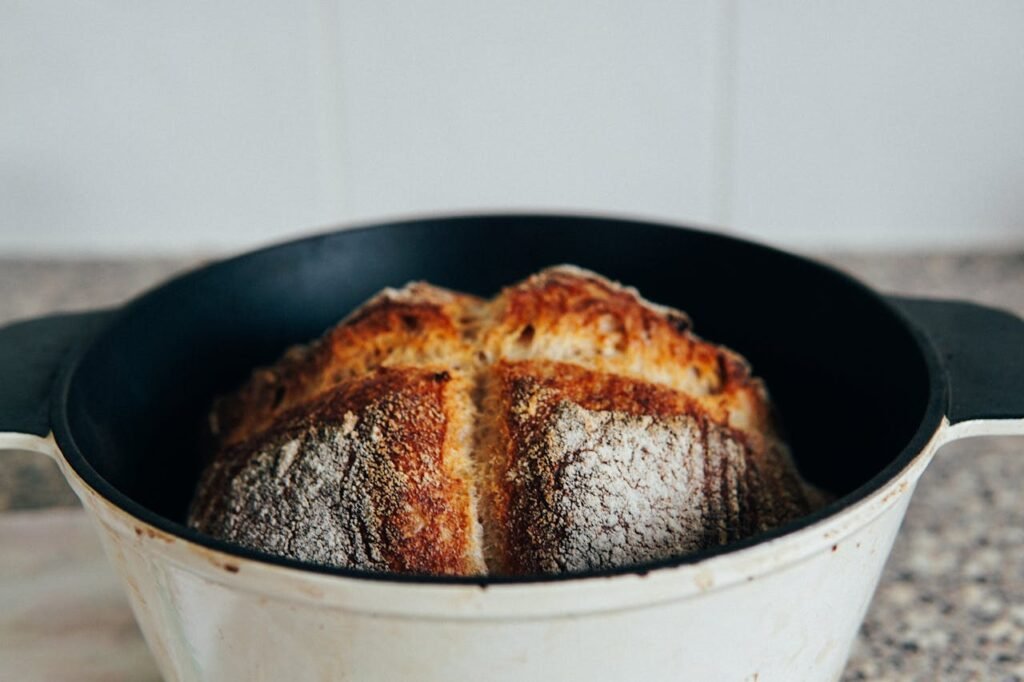
Cast iron baking has seen a comeback in recent years, especially among home bakers. Home chefs are rediscovering cast iron cookware benefits that modern bakeware lacks. Contemporary materials are convenient, but traditional baking methods that emphasise consistent heat, durability, and reliable results come with cast iron cookware. Once a kitchen staple, cast iron is being appreciated again for its performance and timeless appeal.
A part of the renewed interest comes from the shift to sustainable kitchen choices. Regular bakeware often has a shorter lifespan, and unlike disposable bakeware, cast iron represents durability, often lasting generations when cared for properly. Durable baking pans made from cast iron are both economical and environmentally responsible.
One of the other reasons for a major comeback of cast iron is its naturally seasoned surface. With proper care, cast iron develops a natural nonstick cookware quality without relying on synthetic coating, which is hazardous. This appeals to bakers looking for safer, chemical-free cooking options.
From artisan breads to rustic desserts or everyday cakes and savoury dishes, cast iron has proven to be a classic tool that holds an important place in the modern kitchen, blending heritage with contemporary baking.
Superior heat retention and even baking
Cast iron is known for its even heat distribution. This is the biggest advantage of baking with cast iron bakeware. Unlike thinner metal pans that heat unevenly, cast iron absorbs and spreads the heat gradually across the entire surface. This helps cook uniformly, reducing uneven textures, undercooked or overcooked spots.
Cast iron is effective heat-retention cookware, holding heat for long once preheated. The consistent temperature is considered efficient in baking, where stable heat plays a major role in achieving the right rise, crumb structure, and browning.
The steady thermal performance of cast iron prevents hot spots while baking. Foods are evenly cooked, with edges less likely to burn prematurely. The centre cooks at a similar pace. The reliability of cast iron is valuable when baking items with precision.
Breads, cakes, cornbreads, and brownies tend to benefit the most from cast iron heat properties. The material produces good crust formation, even browning, and balanced baking results for regular baking and specialised recipes.
Natural nonstick surface
The key advantage of cast iron baking is its natural nonstick surface, which is developed over time when properly seasoned. Seasoning refers to the process of applying oil and heating the cookware to form a protective layer over time. The seasoning process produces a smooth finish, improving with regular use and care. Unlike modern bakeware that depends on artificial coatings, seasoned cast iron skillets offer a nonstick surface without coating. This reduces the use of synthetic materials, appealing to those who prefer a chemical-free option in the kitchen.
When seasoned correctly, baked goods release easily from the surface. It is easy to lift out the food cleanly, reducing sticking issues and maintaining a good crust formation. The natural nonstick quality of cast iron continues to be valued for reliable baking.
Enhanced flavour and texture
Cast iron is appreciated for the texture and flavour during baking. The ability to maintain steady heat supports excellent flavour development, allowing baked goods to cook thoroughly, enhancing natural taste. Featured as a flavour-development cookware, cast iron also achieves crispy crust baking results. Breads, pies, and baked food often develop a golden crust when prepared with cast iron. Preferred for artisanal bread baking, cast iron ensures proper cooking without overdrying the interiors but with a golden brown crisp crust.
Versatile beyond baking
Cast iron is a flexible kitchen utility, making it an excellent multi-use cookware that goes beyond cooking. A single pan can handle various cooking methods, allowing transitions from baking, roasting, frying, and slow cooking. The versatility makes it a practical addition for both modern and traditional kitchens. The oven-to-stovetop convenience makes cast iron skillets a tool that you can use for various recipes without switching cookware. This saves time, reduces cleanup. Adaptable to a wide range of recipes, including sweet and savoury dishes, its function is effective in baking and roasting. Overall, the flexibility makes cast iron a reliable one-pan cooking solution.
